A-B Tech Students' Oil Experiment Launches On SpaceX Mission

Posted on the WLOS-13 website on October 12, 2026.
Asheville, N.C. (WLOS) — An experiment developed by three A-B Tech students is now heading to the International Space Station after launching aboard a SpaceX rocket Tuesday, with research that could help astronauts keep critical spacecraft equipment running.
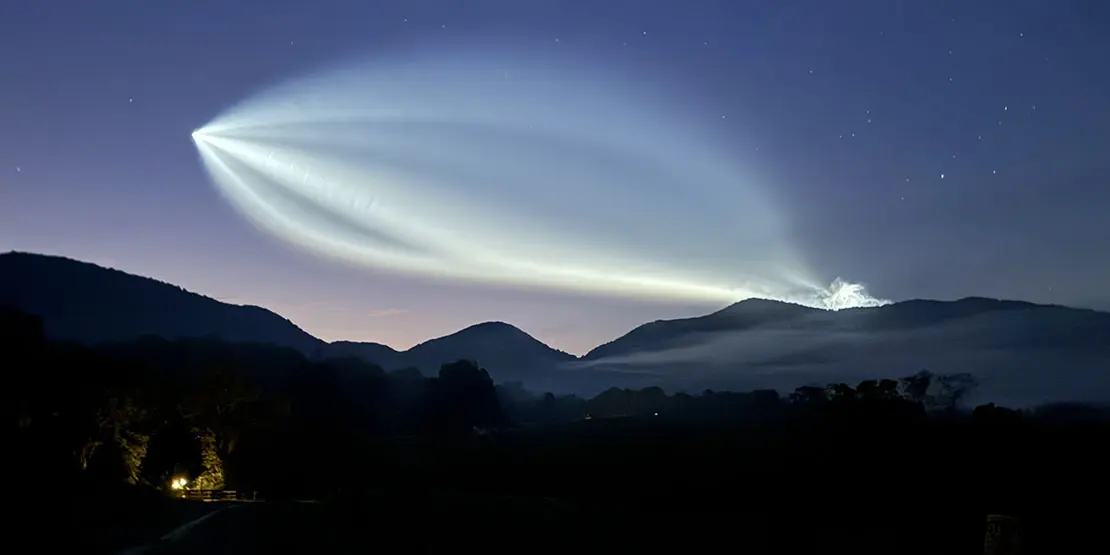
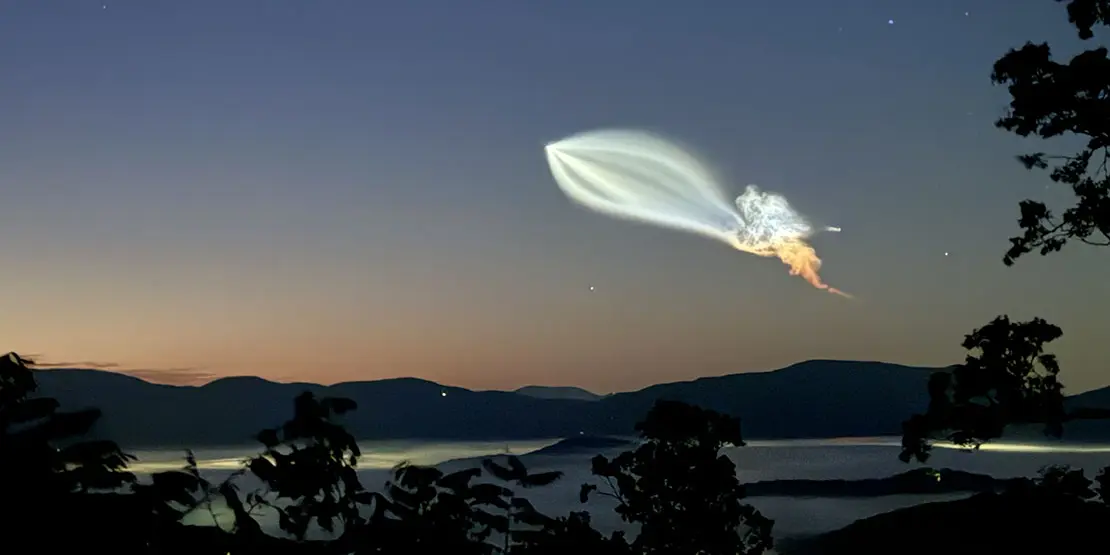
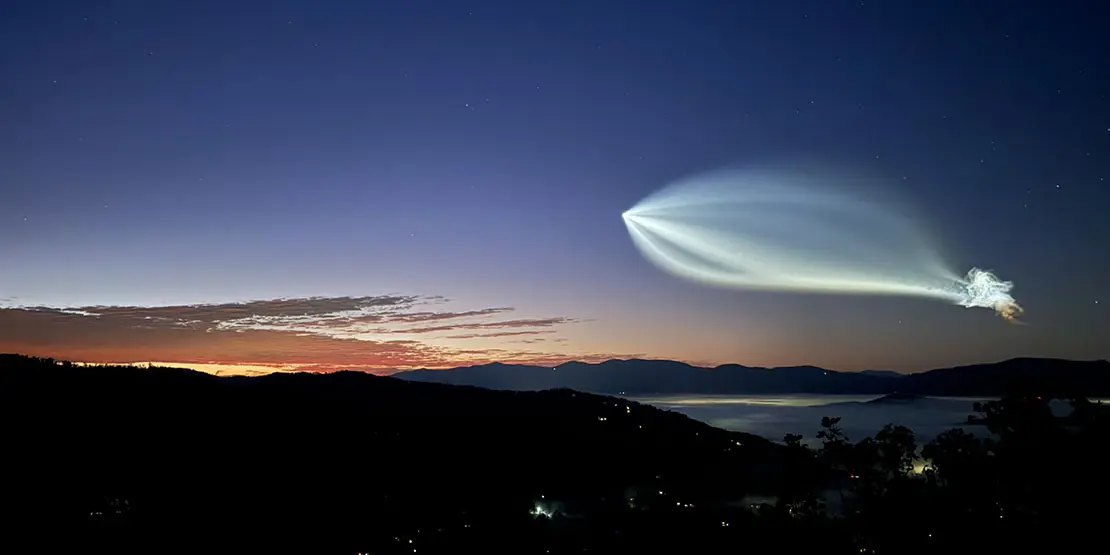
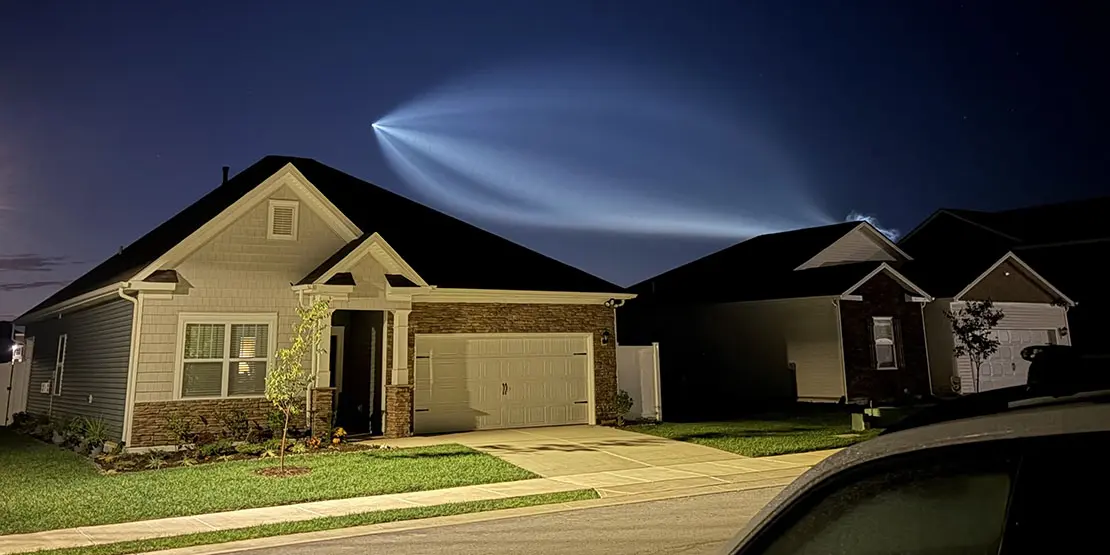
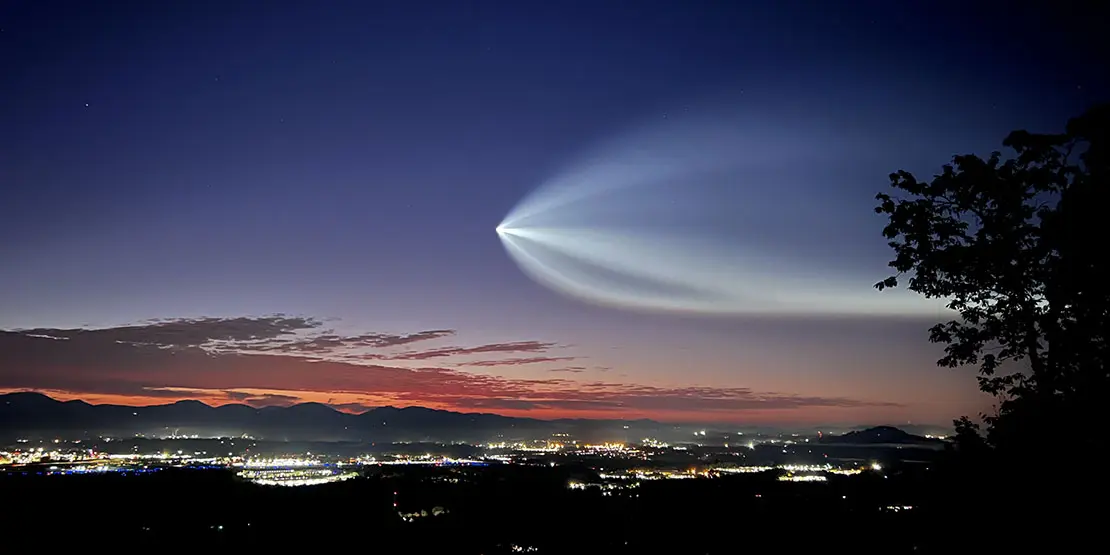
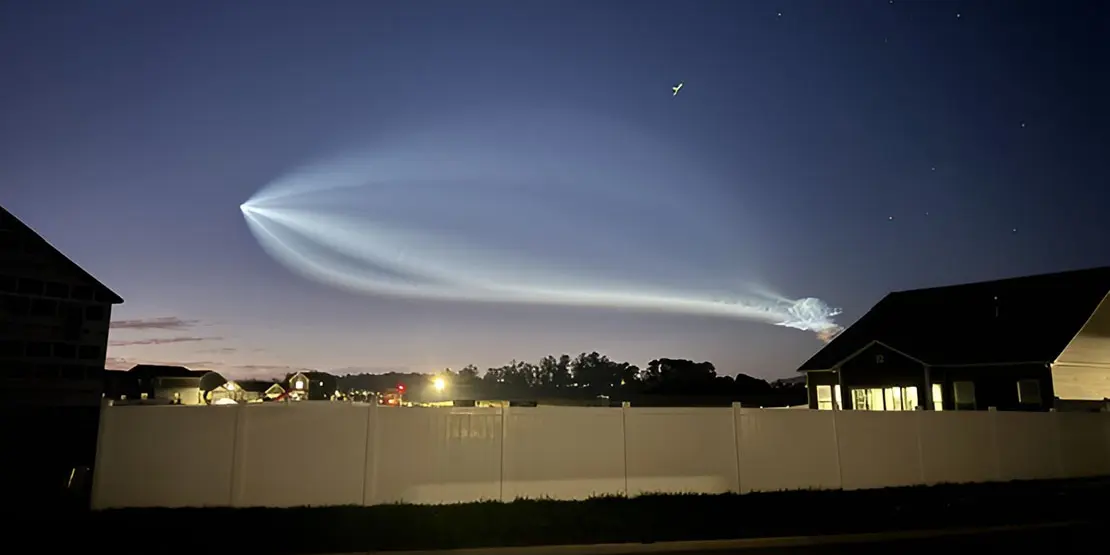
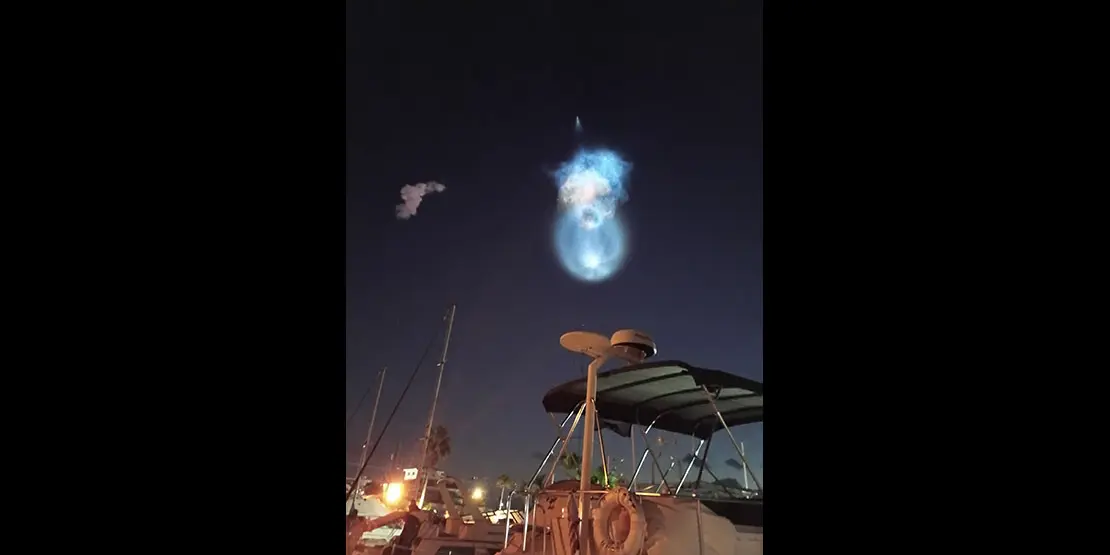
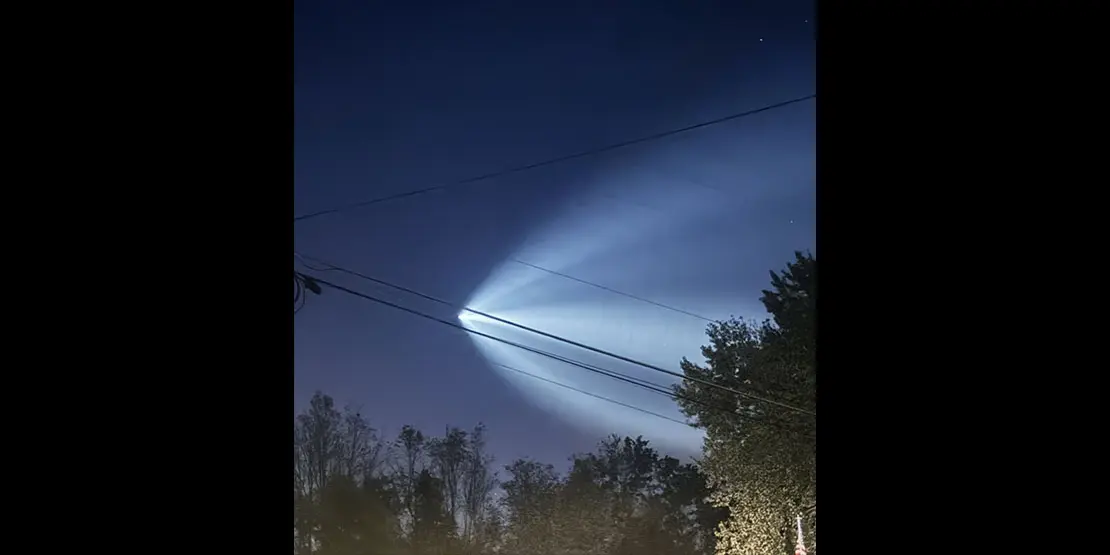
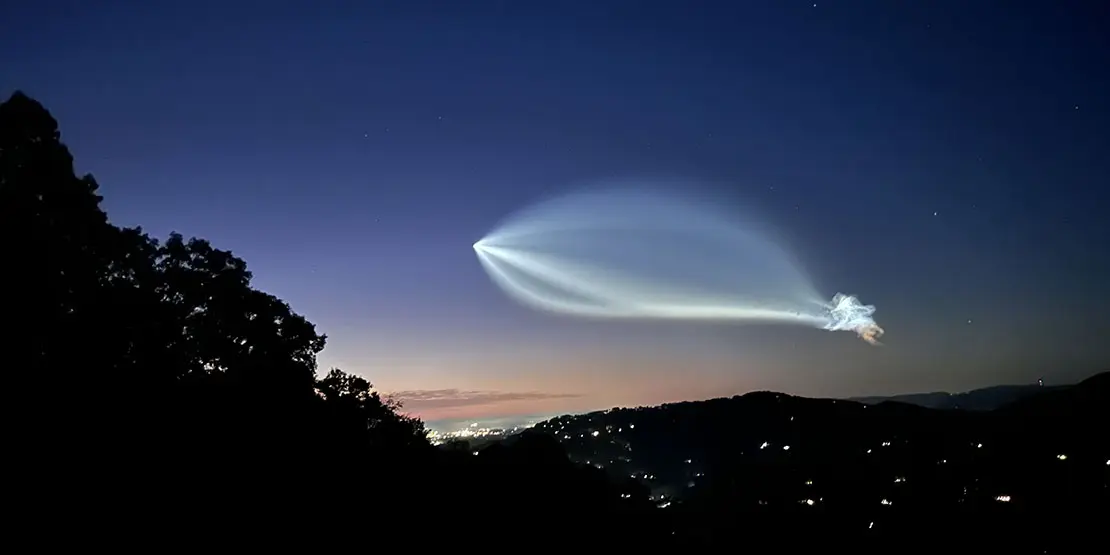
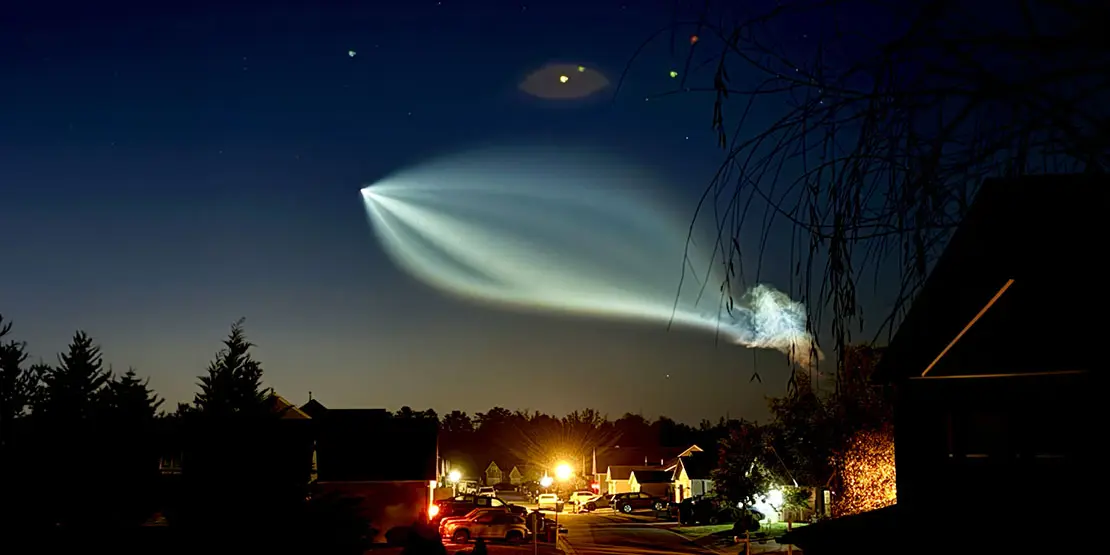
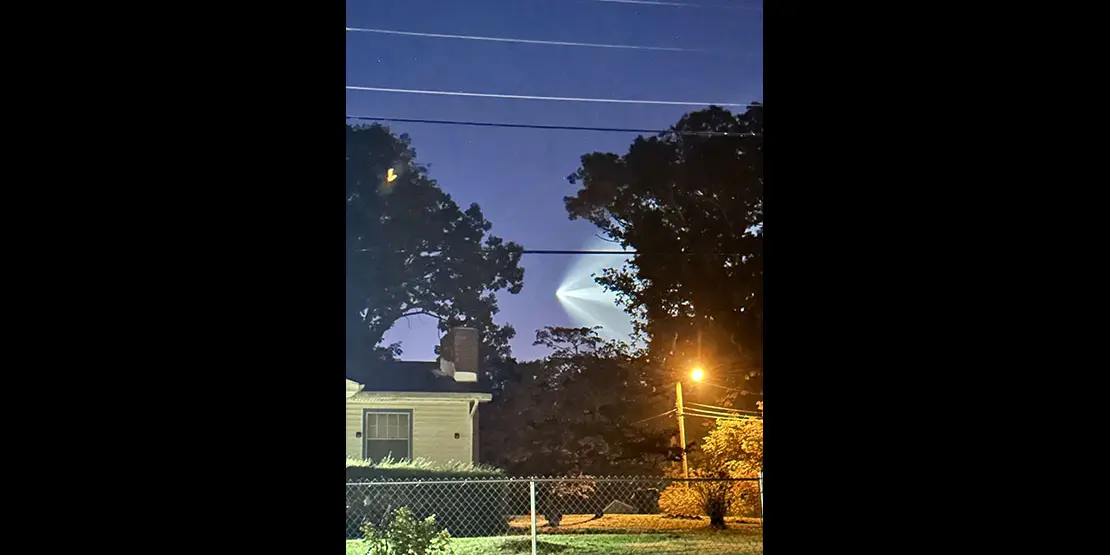
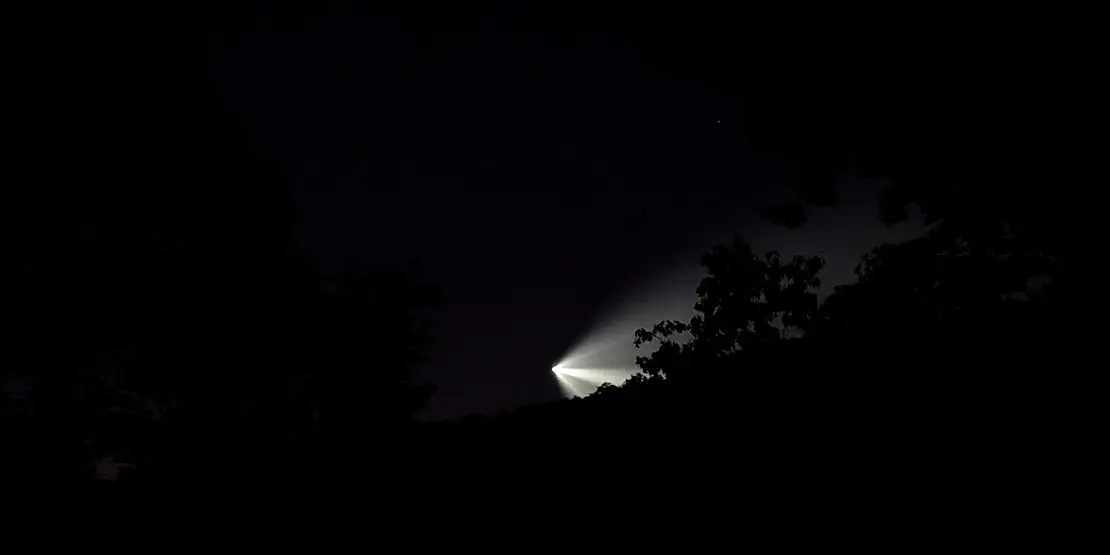
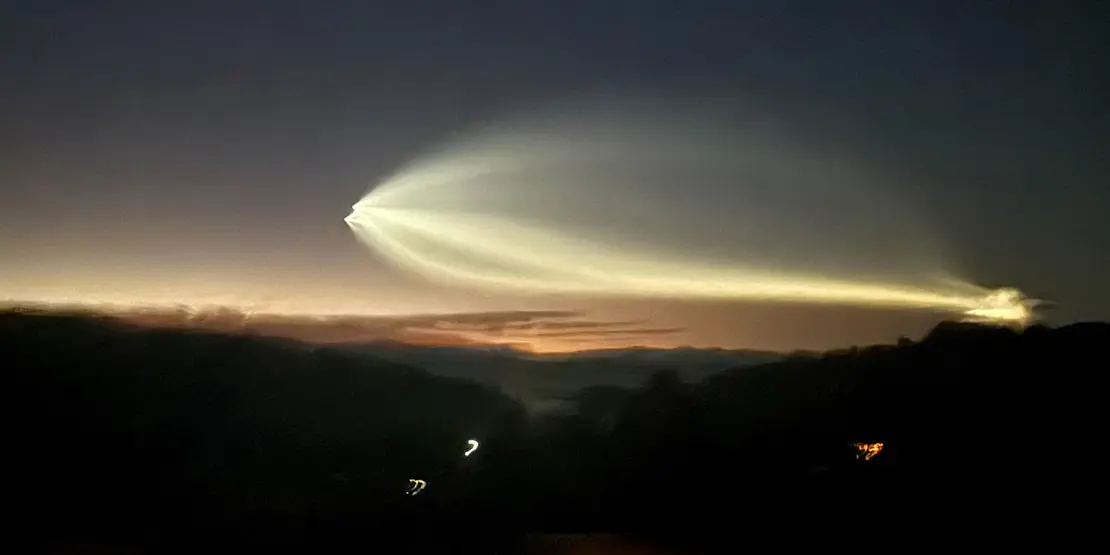
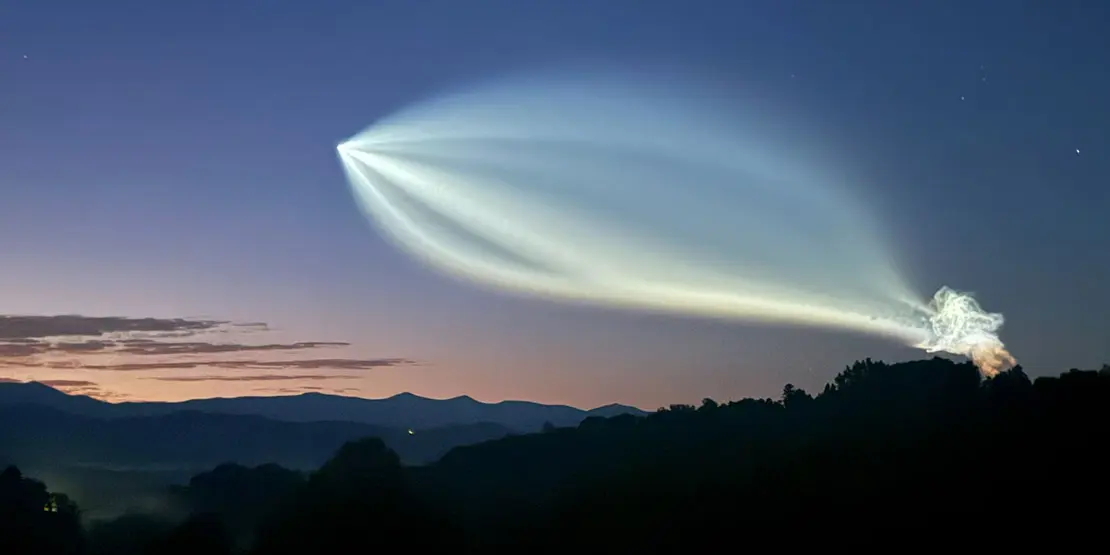
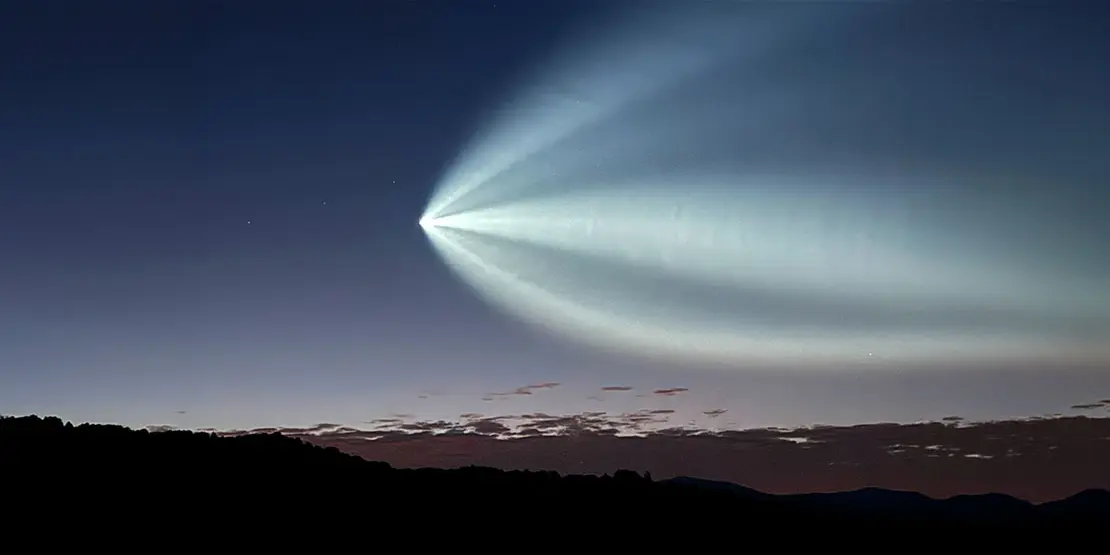
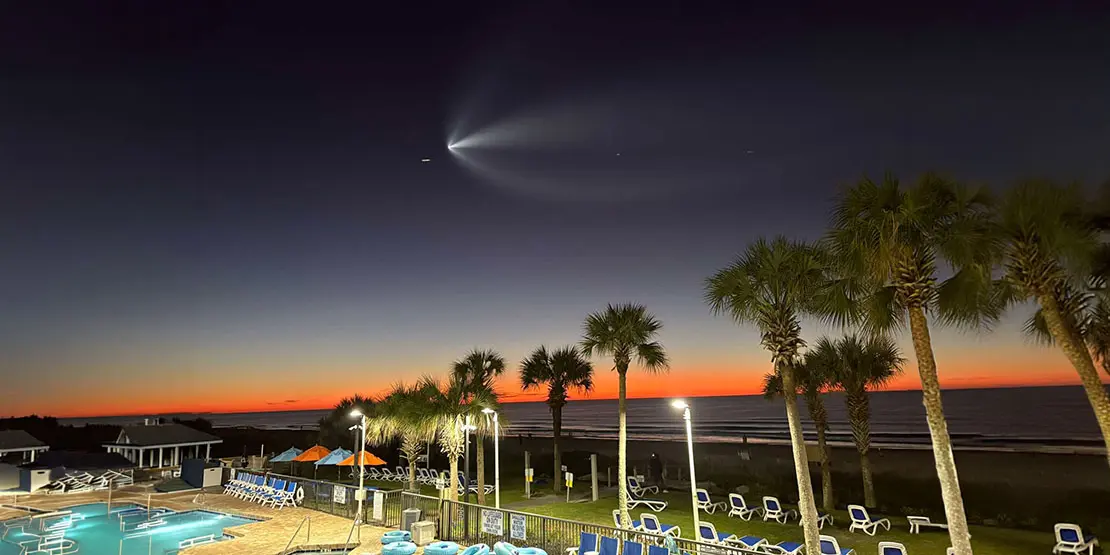
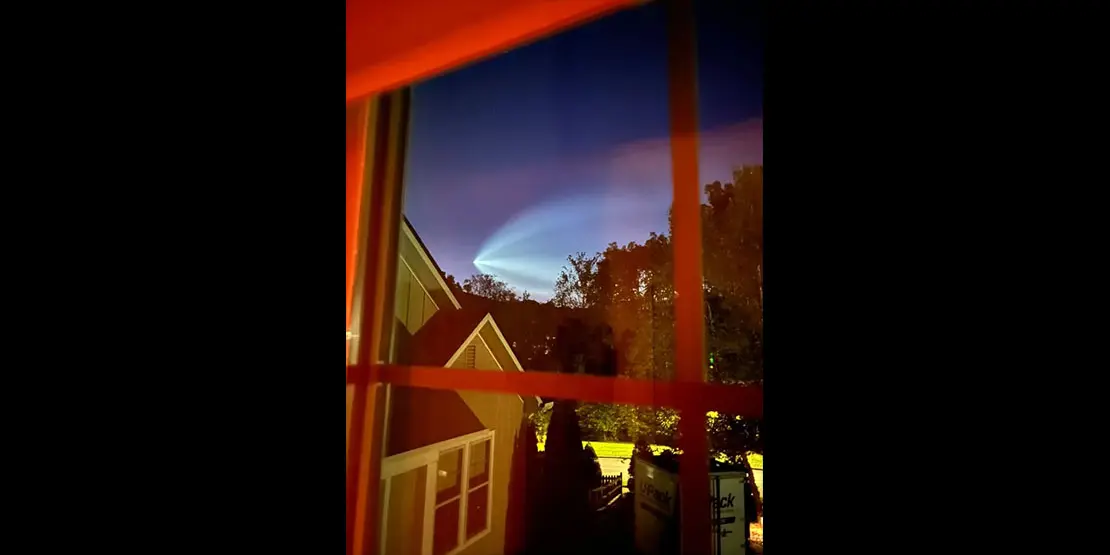
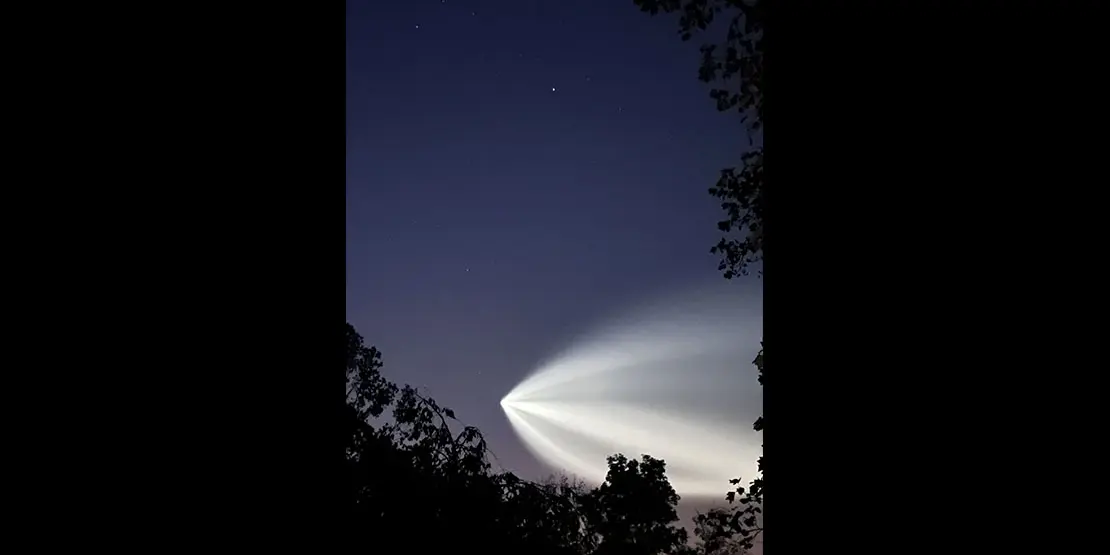
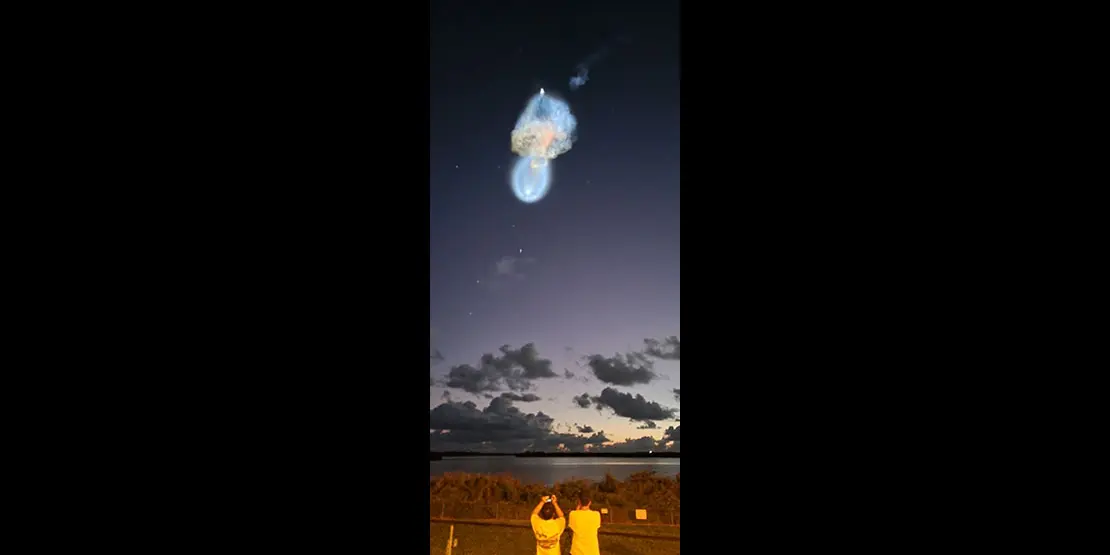
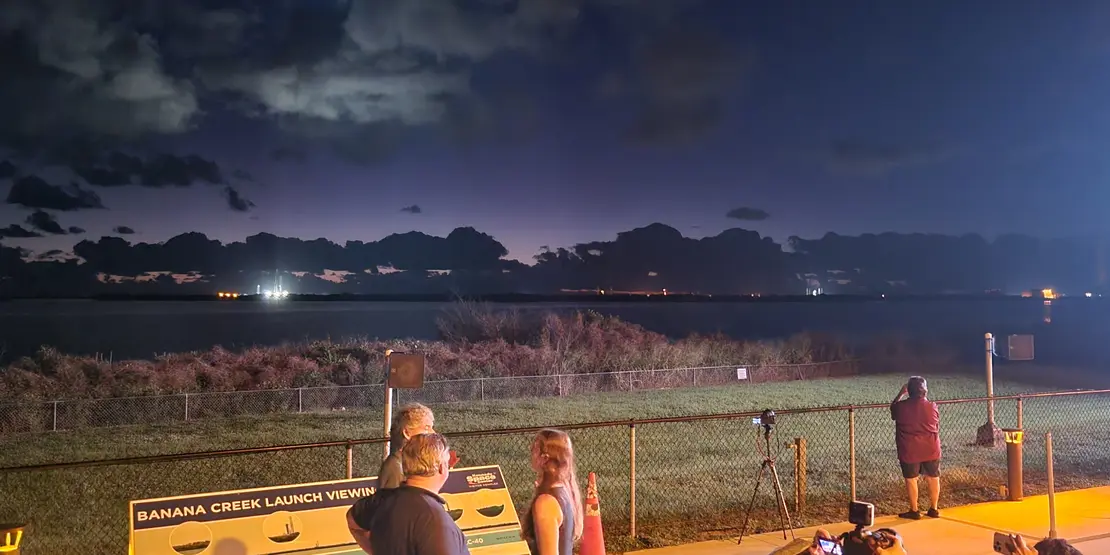
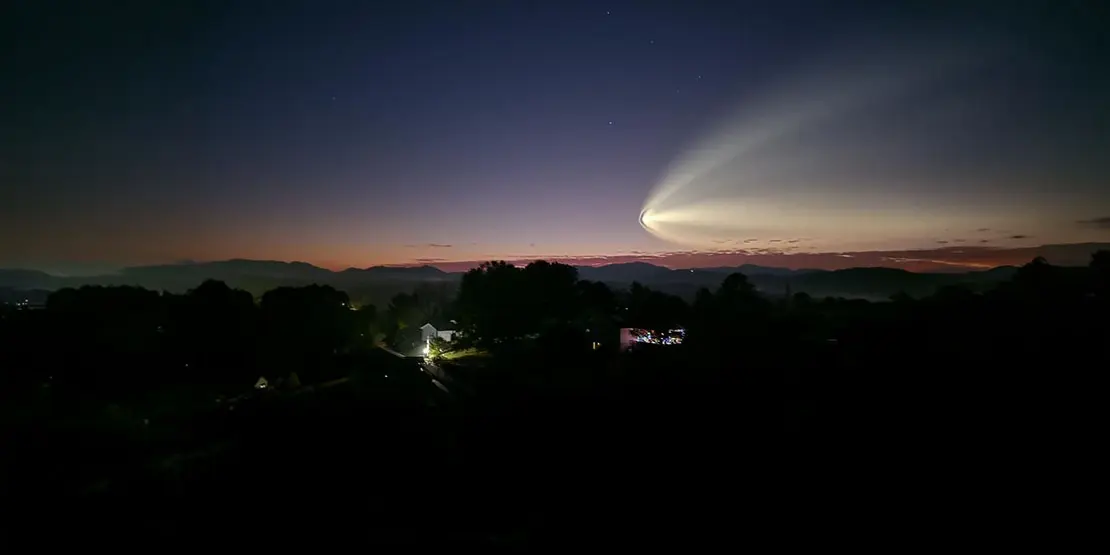
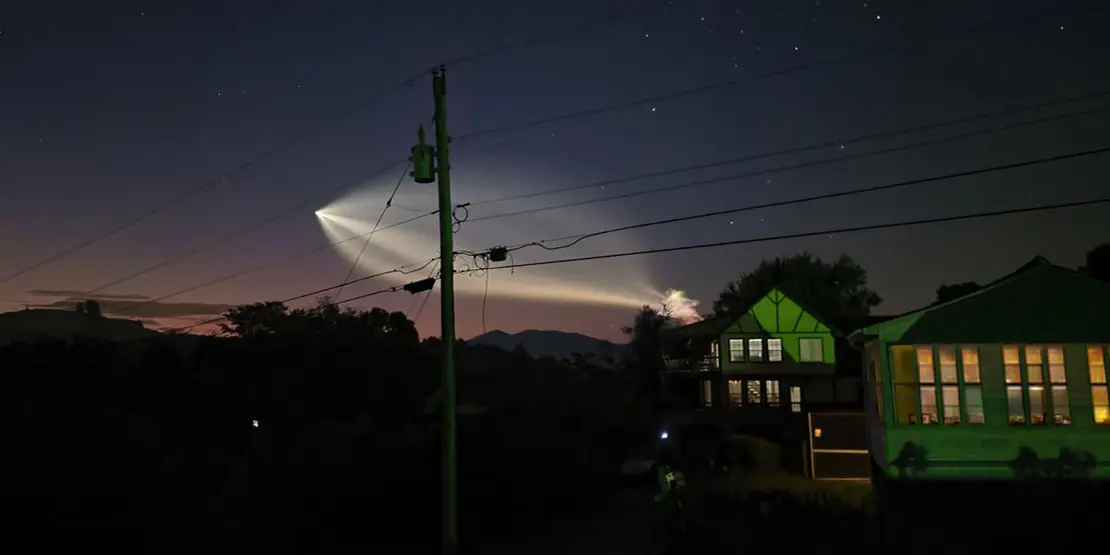
The Falcon 9 rocket lifted off at 6:33 a.m. from Cape Canaveral Space Force Station in Florida, carrying a Dragon spacecraft loaded with more than 6,300 pounds of supplies and science equipment, according to NASA.
A-B Tech’s project is part of the Student Spaceflight Experiments Program, which includes experiments from 21 colleges.
“It’s just kind of surprising to me that I have something on the rocket that’s going,” A-B Tech student Curtis Epley, who led the experiment, said before traveling to Florida for the launch. “It just kind of feels impossible to have.”
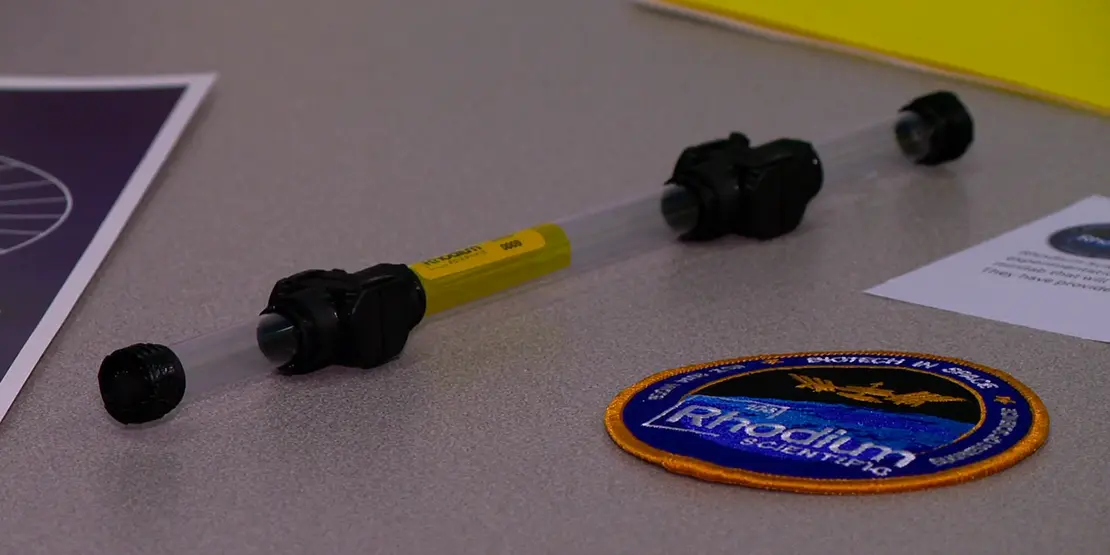
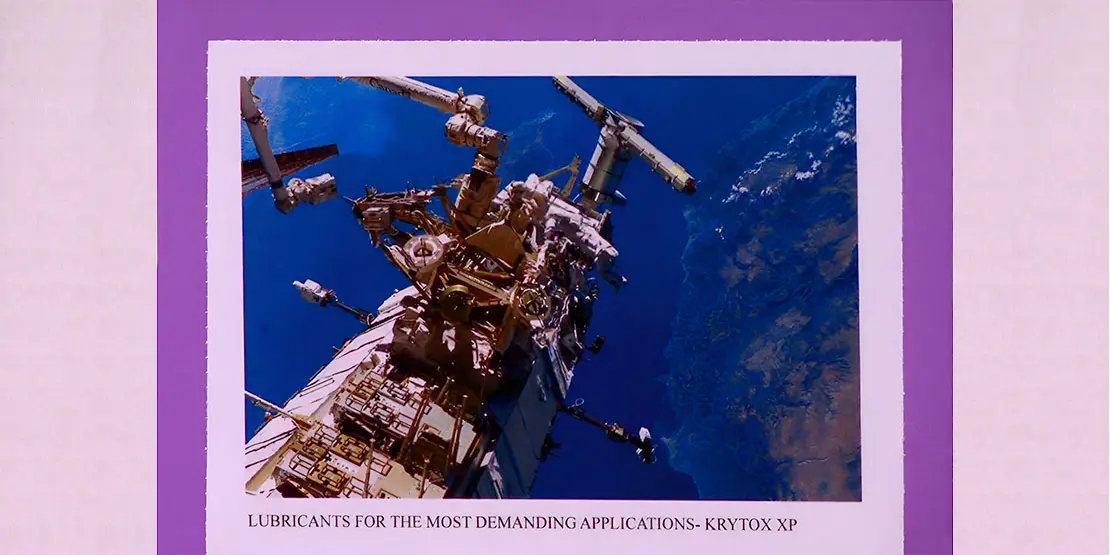
Epley, who is studying diesel and heavy equipment technology, said this experiment tests how lubricating oils behave in microgravity. He said the goal is to give astronauts more options for lubricating engines, pipes, and other moving parts in space.
The college said the project was selected in December last year, with students spending months refining their work ahead of Tuesday’s launch.
Epley wasn't alone on his travels to the launch pad. A-B Tech chemistry instructor Evan Lunt, who also played a role in the project, attended the take-off in person.
“I’ve never seen anything like this at all, ever,” Lunt said before departing. “And to be that close to something so large flying is going to be really cool.”
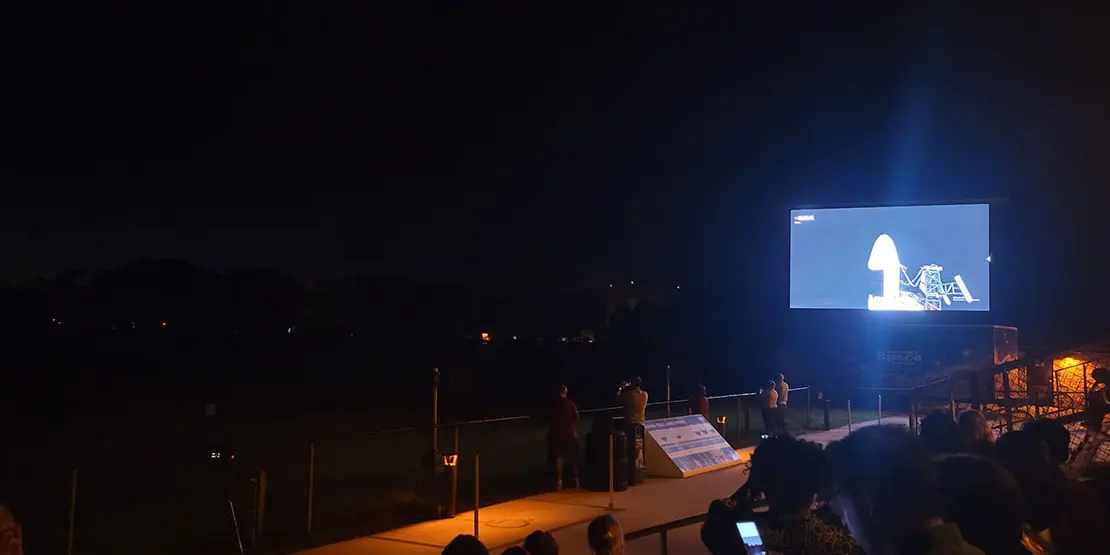
The launch was livestreamed on NASA'S YouTube channel. Watch the launch below:
But the work isn’t finished now that the experiment has left Earth.
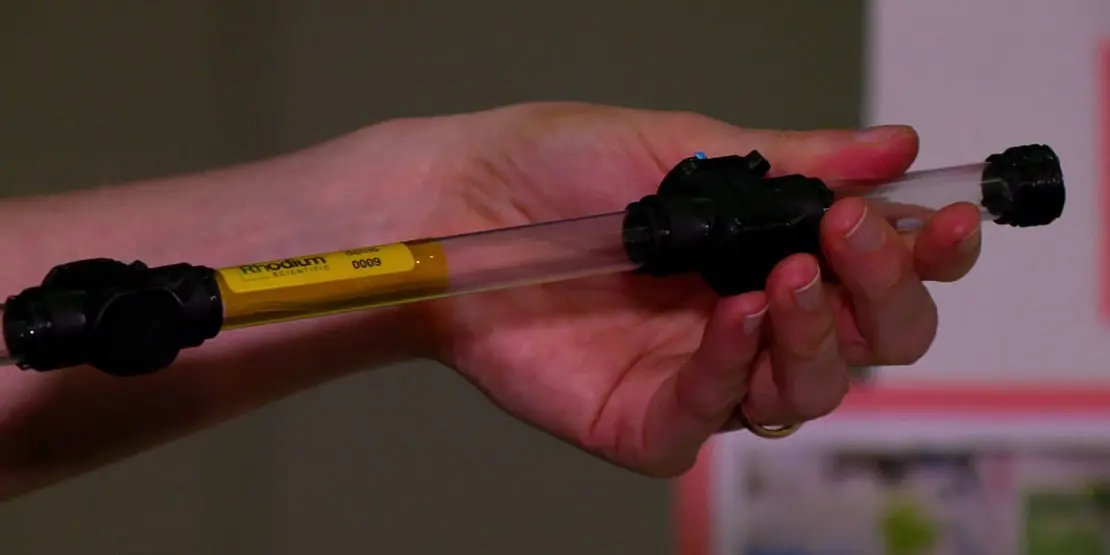
According to an A-B Tech press release, Lunt is keeping a test tube containing the same lubricant in his office to compare how it reacts on Earth versus in microgravity once the space experiment returns.
The Dragon spacecraft is expected to dock at the International Space Station around 11:00 a.m. Thursday, Oct. 15.
NASA expects the spacecraft to return to Earth in mid-November, bringing back research and cargo for further analysis.